



Alcohol Detox: What Happens, Timeline, and Levels of Care
What alcohol detox actually involves, why it's medically monitored, and how long withdrawal typically lasts, based on NIAAA and ASAM guidance
October 2, 2026
11,500+ verified treatment programs · Real Options, Real Recovery

Browse licensed detox and rehab programs in every state and city, with clear details on care levels, specialties, and who each facility treats — so your next step toward recovery starts with clarity and comfort.
Browse by location
Explore 11,513 treatment options near you or anywhere in the country.
 Alabama Rehab Centers107+ centers
 Alaska Rehab Centers64+ centers
 Arizona Rehab Centers389+ centers
 Arkansas Rehab Centers109+ centers
 California Rehab Centers856+ centers
 Colorado Rehab Centers232+ centers
 Connecticut Rehab Centers153+ centers
 Delaware Rehab Centers37+ centers
 District of Columbia Rehab Centers27+ centers
 Florida Rehab Centers471+ centers
 Georgia Rehab Centers238+ centers
 Hawaii Rehab Centers81+ centers
 Idaho Rehab Centers105+ centers
 Illinois Rehab Centers515+ centers
 Indiana Rehab Centers373+ centers
 Iowa Rehab Centers189+ centers
 Kansas Rehab Centers135+ centers
 Kentucky Rehab Centers375+ centers
 Louisiana Rehab Centers160+ centers
 Maine Rehab Centers115+ centers
 Maryland Rehab Centers392+ centers
 Massachusetts Rehab Centers312+ centers
 Michigan Rehab Centers333+ centers
 Minnesota Rehab Centers319+ centers
 Mississippi Rehab Centers88+ centers
 Missouri Rehab Centers245+ centers
 Montana Rehab Centers73+ centers
 Nebraska Rehab Centers108+ centers
 Nevada Rehab Centers74+ centers
 New Hampshire Rehab Centers68+ centers
 New Jersey Rehab Centers319+ centers
 New Mexico Rehab Centers107+ centers
 New York Rehab Centers595+ centers
 North Carolina Rehab Centers414+ centers
 North Dakota Rehab Centers59+ centers
 Ohio Rehab Centers460+ centers
 Oklahoma Rehab Centers128+ centers
 Oregon Rehab Centers178+ centers
 Pennsylvania Rehab Centers465+ centers
 Puerto Rico Rehab Centers51+ centers
 Rhode Island Rehab Centers39+ centers
 South Carolina Rehab Centers93+ centers
 South Dakota Rehab Centers39+ centers
 Tennessee Rehab Centers302+ centers
 Texas Rehab Centers399+ centers
 Utah Rehab Centers224+ centers
 Vermont Rehab Centers46+ centers
 Virginia Rehab Centers229+ centers
 Washington Rehab Centers254+ centers
 West Virginia Rehab Centers118+ centers
 Wisconsin Rehab Centers205+ centers
 Wyoming Rehab Centers46+ centers
Treatment isn't one-size-fits-all. Everyone's path is unique, and care is offered at different levels — each one explained in plain language.
Live-in treatment with 24-hour staffing and structured days, away from the environment tied to substance use.
View detailsSupervised withdrawal where symptoms are monitored and treated, and medication is used where clinically appropriate.
View detailsScheduled treatment while living at home — from a few hours a week up to near-daily partial hospitalization.
View detailsDetox, inpatient, PHP, IOP, and standard outpatient side by side — intensity, structure, and who each setting fits.
Compare now
Where to begin
A first conversation is usually all it takes to get started.
People approach getting help in different orders, but a few things tend to come up early for most.
An initial conversation
This is often a call to a program or a trusted person, describing what's been going on. Nothing is decided in that first conversation — it's generally the starting point, not a commitment.
An assessment
A licensed provider typically reviews substance use history, general health, and any mental health considerations to help determine what level of care fits.
Coverage and cost
This is one of the more common questions people have at this stage. Many plans cover addiction treatment at some level, and programs vary in whether they offer sliding-scale rates or payment plans — cost is generally something a program addresses directly once contacted, rather than something that needs to be fully worked out beforehand.
Comparing programs
Location, levels of care offered, and any specialization in particular populations or conditions are common factors people weigh when looking at more than one option.
Admission logistics
Intake dates, time away from work, and arrangements at home are typically settled in the period leading up to admission.
Ongoing support after treatment
Aftercare — therapy, outpatient visits, or peer groups — is commonly arranged before a program ends, so there's continuity once it does.
Every program differs, but most follow a similar path of care.
Intake and evaluation
Programs usually begin with an admissions conversation, where staff gather background information and discuss what kind of support a person is looking for.
Medical detox
Some facilities offer supervised detox services staffed by clinicians. Whether it applies to a given person is something the care team determines.
Inpatient or residential care
Residential programs provide a live-in setting with daily structure and on-site staff, so treatment happens away from everyday pressures.
Outpatient treatment
Outpatient options are built around scheduled visits, letting people stay connected to work, school, and family while attending a program.
Therapy and dual diagnosis support
Many centers include counseling and family involvement, and some are equipped to address mental health concerns alongside substance use.
Aftercare and relapse prevention
Programs often help arrange continued support after discharge, such as alumni groups, sober living referrals, or ongoing peer meetings.
This is a general overview of how treatment programs are commonly organized. It is informational only, is not medical advice, and is not a recommendation for any specific course of care. Only a licensed provider can advise on an individual situation.
How Treatment Locators works
We keep an organized, nationwide list of licensed drug and alcohol detox and rehab programs. Each entry shows where the facility is located, the levels of care it offers, its credentials, and a phone number you can dial directly — so you can weigh your options and reach out on your own terms.
National directory
Every state directory, one click away — browse licensed detox and rehab centers by city, state, or ZIP code.
Where to start
Alcohol withdrawal can be medically serious, and licensed programs offer supervised detox, inpatient care, and outpatient support tailored to how much and how long someone has been drinking.
Alcohol rehab guideOpioid and heroin dependence is commonly treated with medically supported withdrawal, medication-assisted treatment, and structured rehab that continues well past the first days.
Opioid & heroin guideA live-in setting with daily structure, on-site clinical staff, and treatment that happens away from everyday pressures and easy access to substances.
Inpatient rehab guideThe first and most immediate step for many people — a supervised setting where withdrawal is monitored, symptoms are treated as they arise, and medication is used where clinically appropriate.
Detox guideNot everyone is ready to enter a facility the first time they look. These guides cover best practices, harm reduction, and ways to stay safer in the meantime.
Directory snapshot
Sourced from SAMHSA's national treatment locator.
Any licensed medical detoxification facility that treats substance use disorders and holds the certifications required to operate legally. We do not accept payment for listings.
Send us the details through the contact page and we will verify the change and update or remove the listing.
No. The sponsored number on this site is entirely optional — every facility listing also includes that center's own direct phone number, so you can always reach out to a program yourself, at no cost, without going through us at all.
SAMHSA's national helpline at 1-800-662-4357 is free and confidential, 24/7. In an emergency, call 911, or 988 for the Suicide & Crisis Lifeline.
Yes — reach out through the contact page and we will review submitted feedback before it is published.
Recovery guides, treatment explainers, and practical answers from the Treatment Locators editorial team.
What alcohol detox actually involves, why it's medically monitored, and how long withdrawal typically lasts, based on NIAAA and ASAM guidance
October 2, 2026
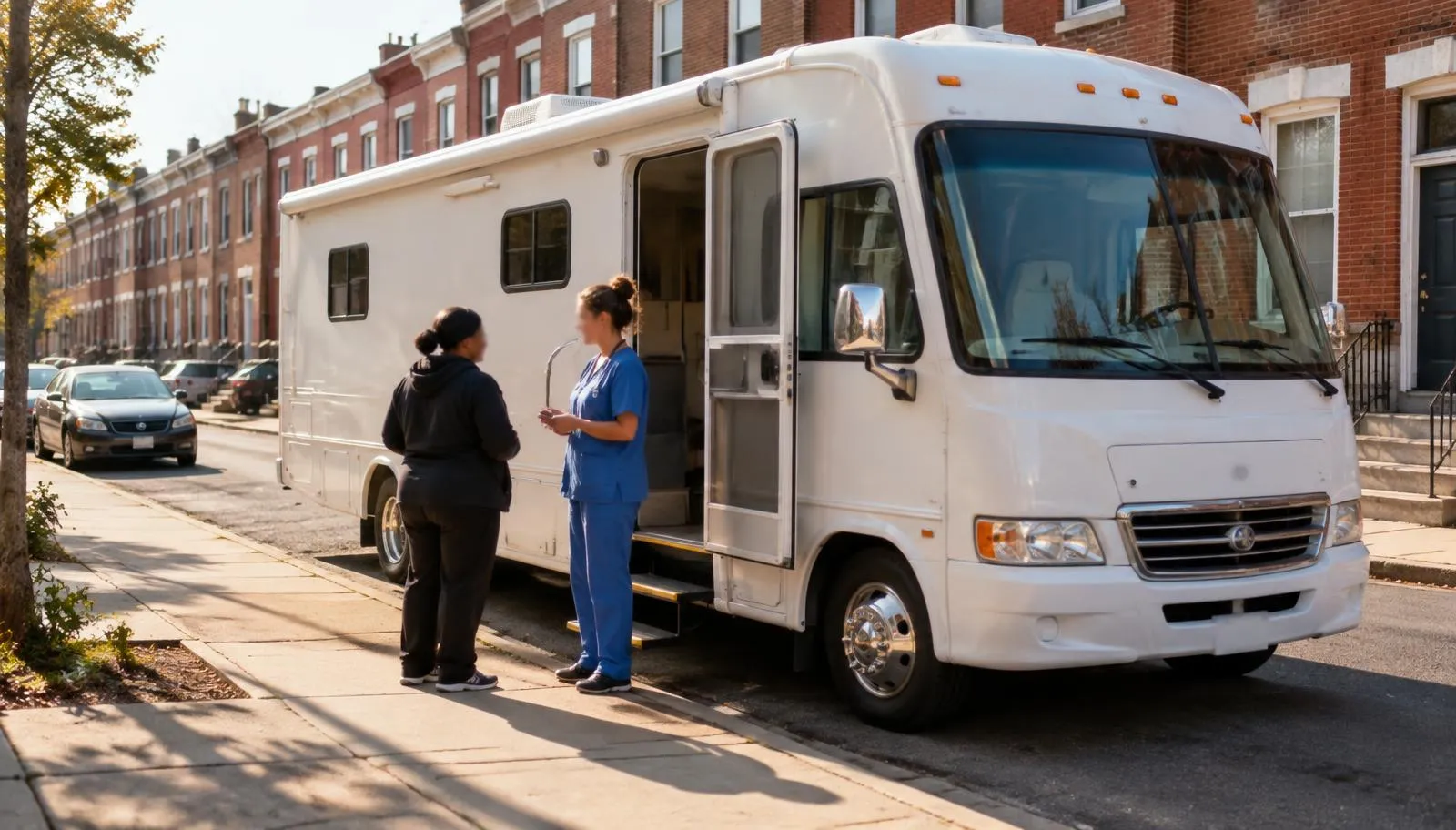
Merakey's new licensed mobile methadone unit brings same-day medication, counseling and outpatient handoffs to Kensington, after a soft launch that started more than 300 people on treatment.
September 27, 2026

Real data on inpatient vs outpatient rehab: how they differ in structure, cost, and outcomes, and what the actual research shows about which setting helps whom.
September 25, 2026